Immigration
written on December 30, 2025
Legal immigration is a fugazi. The most legal form of immigration over the last half century has been people who were granted asylum. That’s because unlike most other forms of immigration, being a refugee has been protected under international law. It’s part of article 14 of the Universal Declaration of Human Rights from 1948:
Everyone has the right to seek and to enjoy in other countries asylum from persecution.
Except, of course, popular opinion does not care about international law and increasingly does not care about refugees either. In the mind of many, crossing a border without permission is illegal and if courts argue in favor of asylum seekers, then the courts are “activist” and “overstepping their bounds”. Or a variation of that. The debate around immigration is about as broken as the debate around many other social issues today. Which is why, when you turn on the TV or you partake in online discussions, all of this is colloquially referred to as “illegal immigration.”
Every country has their own rules around immigration but rarely are those rules set in stone. They are changing frequently, and they rarely last a lifetime. It’s not uncommon for people to immigrate legally one year, only to find out that the rules have changed the next year and they are now out of status. Even if their rights are grandfathered, they might find themselves unable to demonstrate their rights in the future. In some cases even the definition of citizenship has changed. The rules and implications are so bizarre at times, that it becomes impossible for anyone to keep track of them, let alone understand them, and that includes the officials enforcing them.
There are children born to mixed citizenship couples who only found out years later, that in the eye of the law, they were never citizens of their own country. There are others, who never questioned their citizenship, only to be thrown into a legal limbo when they first get a job.
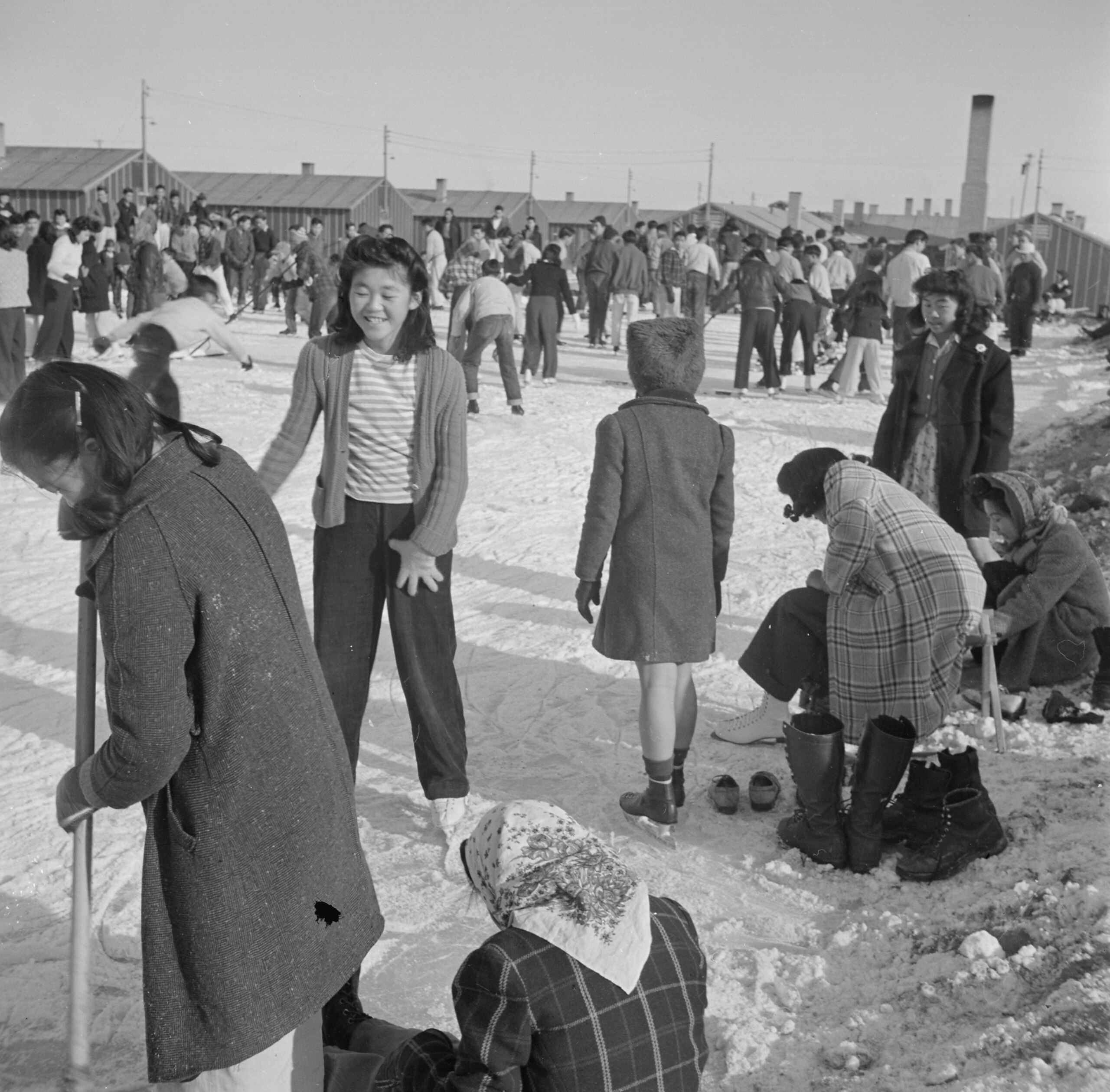
If the powers in charge want to change the rules, they can. Japanese Americans lost their rights during World War II. German Jews lost their citizenship under the Nuremberg Laws. Even in the 2000s in the UK the Windrush generation of immigrants discovered decades later that they were not able to demonstrate their right to stay, despite having lived there for decades and fully legally.
The path to a green card for spouses in the US typically goes through a temporary period of lack of status. One could call it illegal, but it was common practice for years. Except now, ICE is collecting foreign spouses of US citizens at their interviews and arrests them.
It’s easy to picture immigration as being linked to the crossing of borders. But it really is not. It’s just a legal status related to some degree with citizenship. You can be born in one country, and not be a citizen of that country. You can also be a citizen and just lose that right later, something that has happened many times throughout history.
Europe has a history of deportations. Jews were often seen as being in a permanent state of “not integrated” and “not immigrated.” Jews were expelled from Vienna multiple times over the centuries. Jews gained and lost their rights repeatedly in the Hapsburg Empire. Sometimes they just lost their rights, other times their lives.
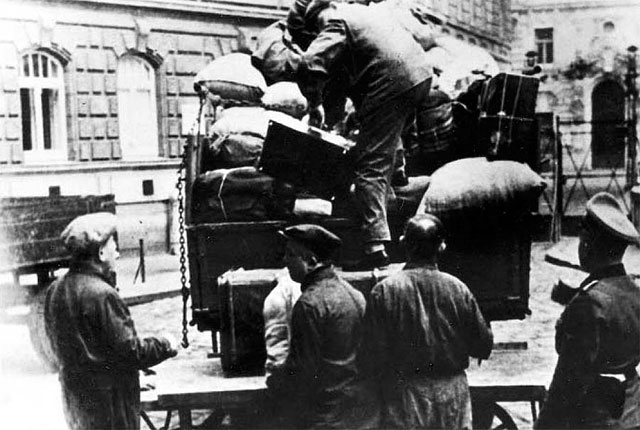
It wasn’t just Jews though, it was also various European minorities in other countries. There was no shortage of ethnic groups settling in other countries only to be expelled later. Catholics were also not great friends of own Christian neighbors in many places. 20.000 protestants had to flee from Salzburg in Austria all the way to Königsberg (modern Kaliningrad) in the 18th century.
So rather than talking about legal and illegal immigration, it would be much more honest to just recognize that we did not quite move past the point of dividing immigration into the people we like, and the people we don’t like, and that tastes are subject to change.
“Here in our fatherland of Austria, conditions lie such that the Jews have seized an influence that extends far beyond their numbers and their significance. (Interjection: Quite true!) In Vienna the poor artisan must go begging on Saturday afternoon if he wishes to turn the labor of his hands to account — he must beg the Jewish furniture dealer. (Very right!)
— Karl Luegers, Mayor of Vienna, in a speech to the Christian Socialist Workers’ Association, 1899