Borders
written on December 15, 2025
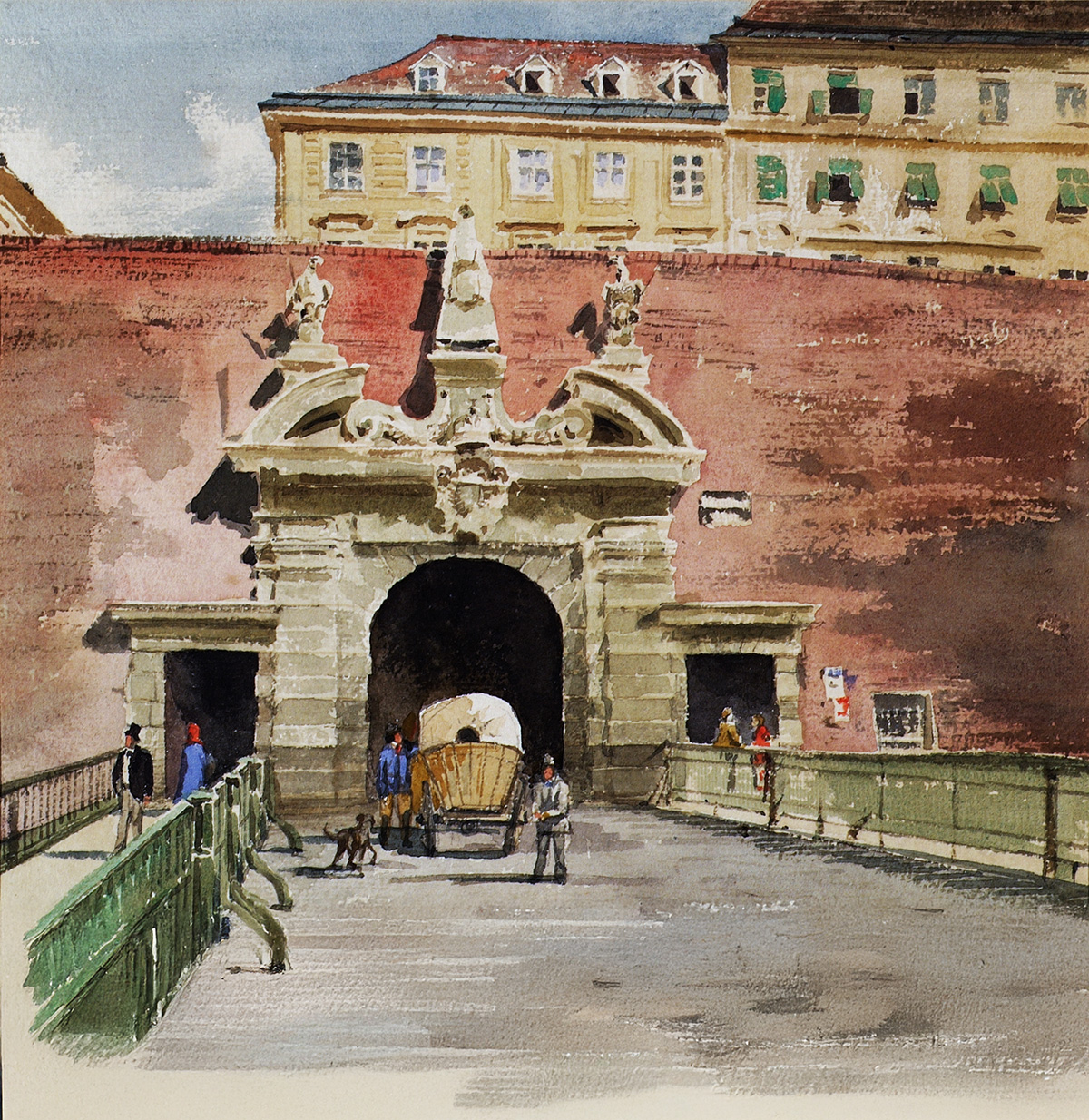
Yesterday evening, at the closing of the gates of Hamburg, where in fair weather several thousand persons had been shut out, a tumult arose. The populace hurled stones at the Dutch troops on guard, who at first fired blindly, and then with aimed shots, whereby some persons were killed and several others wounded. — The demand made upon the city of Hamburg in the past autumn, that it should contribute monthly 400,000 francs toward the pay of the army of the Prince of Ponte Corvo, it is said, has now been renewed.
— Augsburgische Ordinari Postzeitung, Nro. 105, 2nd of May, 1808
Borders are a curious thing. They can be physical or invisible, but they almost immediately have an effect. Nowadays most borders surround countries, but not exclusively so.
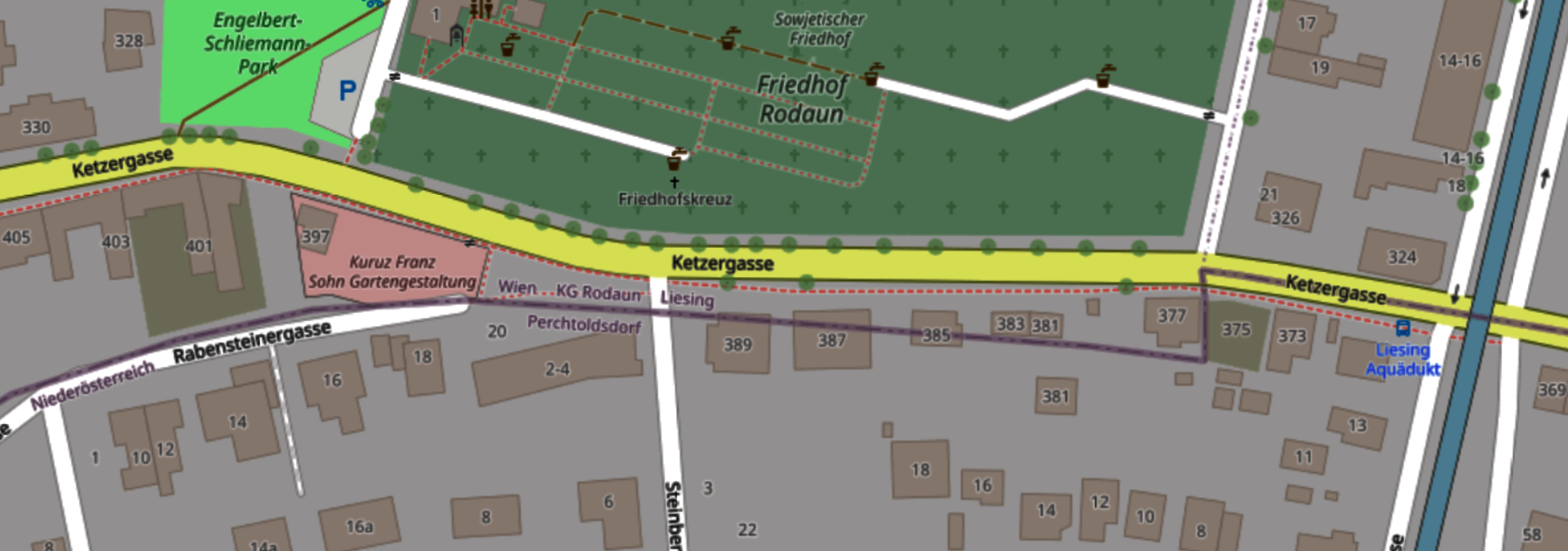
I personally have a strong aversion to borders. There is a road in Vienna called Ketzergasse (Heresy Lane). Except it’s not really a road in Vienna — one side is Lower Austria, the other is Vienna. They are both in the same country, but depending on which side you are on, different parking rules apply, different local taxes, different garbage collection rules. The side of the street you live on determines which Kindergarten or school your child can attend. Thankfully, nowadays these are all minor inconveniences. But the days when we had physical gates between cities and countryside, gates that closed at night, are only a few hundred years behind us.
The moment a border has been placed, it creates opportunity for those who want to exploit it. It always fascinates me how quickly the mere existence of a border not only creates forces that want to take advantage of it, but also how little time it takes for people to become supportive of it. Once we are used to a border, there will be those of us who want it to remain. The longer it exists, the larger the differences on either side grow, and the more some will want to retain it.
It requires some external shock to remove a border again. The borders between cities in German-speaking Europe and the surrounding countryside were not just administrative lines determining who could live where; they were physical walls. Crossing with goods meant paying customs duties. Living within the walls for a year and a day made you a free citizen, whereas living outside made you a serf to the local lord.
My childhood was defined by borders coming down. Where once we had to show passports to unfriendly border control guards to cross the mountains into Italy, suddenly we could just drive across without any checks. The borders between European countries became less and less relevant. Gradually, that also meant more and more workers in the service industry came from all across the Union.
People are drawn to borders. All your frustrations and disappointments in life can be projected onto the “other side.” And if a border has friction to pass, it inspires some to cross it.
The division between East and West Germany was one of the most extreme examples. There was very little that divided those parts of Germany from one another. They spoke the same language, and prior to the Cold War, they were not even along typical historical divisions. Yet the border was guarded, militarized, and divided a growing economy from an increasingly failing one. The existence of that border created competition through different economic systems, and ultimately a desire to escape from one side to the other.
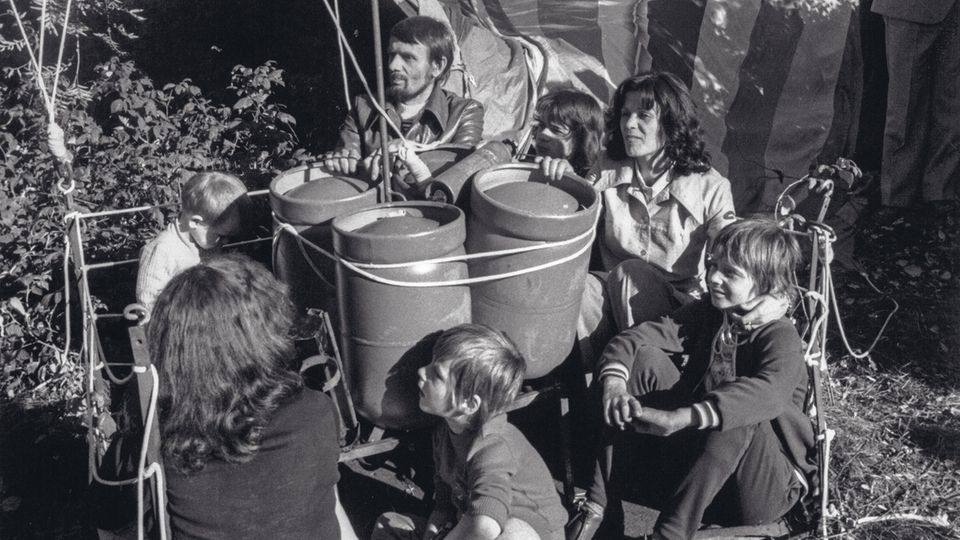
The stories of that border are numerous and harrowing. People dug tunnels, built hot air balloons, hid in trucks, and swam across rivers to escape from East to West Germany. Many died trying. When you hear stories of families crossing with their children, knowing they might die in the attempt, it is hard to imagine the desperation that must have driven them.
And it never ended. It’s just easier to defend the existence of a border when it keeps those out that you don’t understand — those who don’t share your culture, your customs, your language.
Getting rid of borders is unpopular right now. Not only are we putting borders up, we’re also trying to put people back on the other side if we can. Some call it remigration, but really, the destination does not matter as long as it’s not within that one’s border. No story exemplifies this more than the deportation of Kilmar Abrego Garcia. The US government tried and proposed multiple destination countries for him, none of which he had any connection to.
Being on the better side of the border is a privilege, and it feels good. Wanting to get rid of the border is natural for those on the worse side. Defending the removal of the border by those who benefit from it is unpopular. In fact, it can be seen as irresponsible, even treasonous. Yet without that border, both sides would be better off as commerce and culture would flow more freely.
Nowadays it sounds ridiculous that people once lost their lives on a warm summer day because they did not make it back into the city before the gates closed, and army guards shot at them to enforce the border. Yet that event was once nothing more than a small note in a newspaper. I hope that one day society will look back at the enforcement of present-day borders with the same incredulity.